Supporting Acequia Resilience
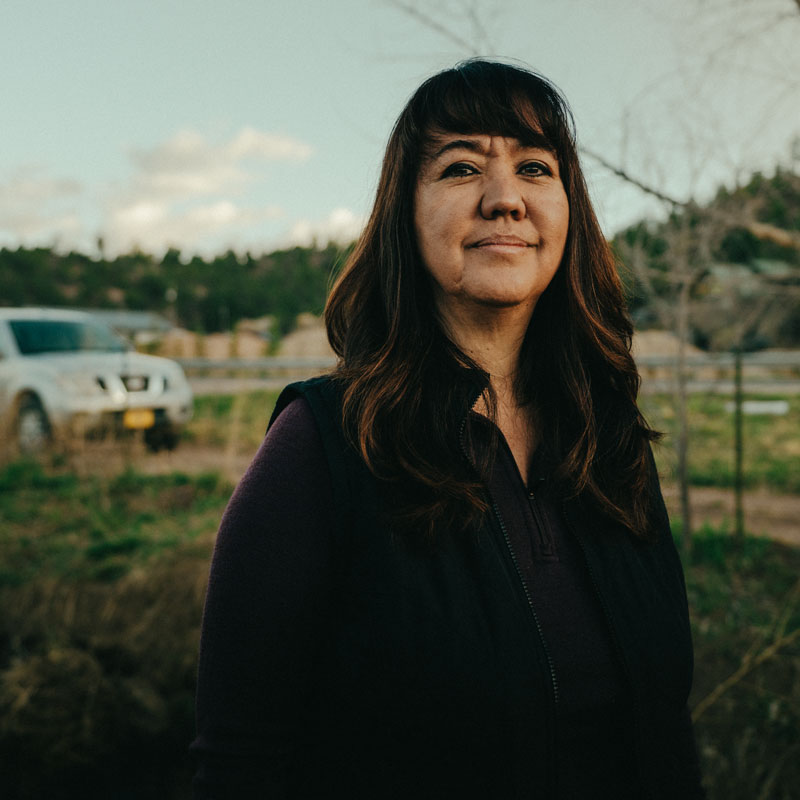
An interview with Paula Garcia, executive director of the New Mexico Acequia Association
Nov / 2025
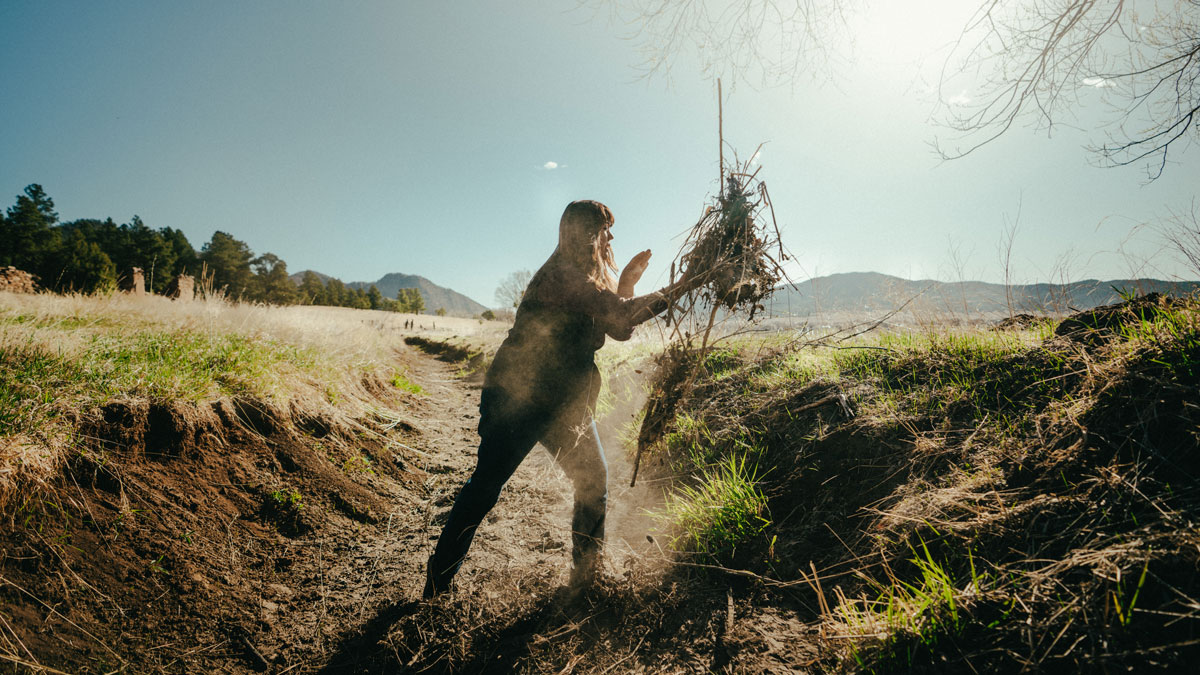
There is perhaps no better place in New Mexico to experience the joys — and challenges — of community than on the banks of an acequia in early spring.
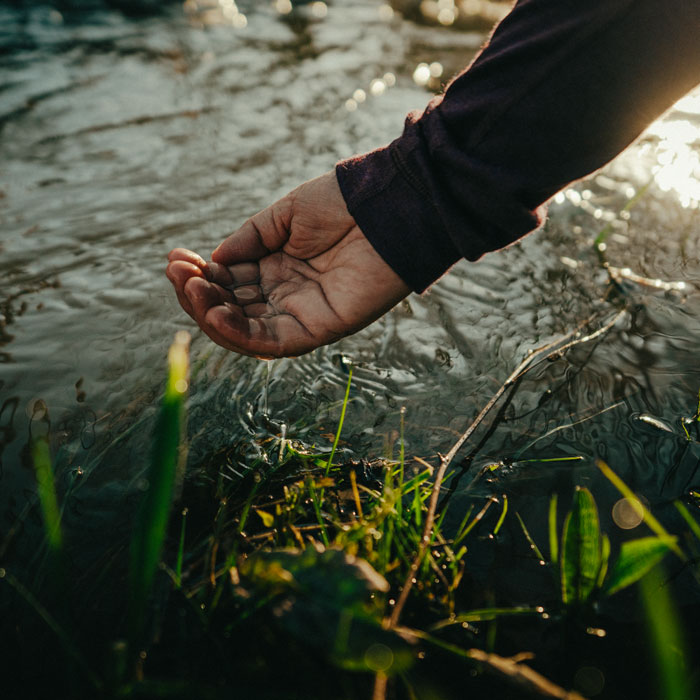
As days get longer and snowmelt collects in streams and rivers, communities gather on the banks of these centuries-old irrigation canals. The spring reconnects neighbors through the seasonal work of cleaning and repairing this shared waterway, preparing for snow melt to flow through the channels, where parciantes (or “water users”) open headgates on their designated days, diverting water to trees, fields, and gardens. “Seeing water flow from the acequia into a field is a beautiful experience,” says Paula Garcia, executive director of the nonprofit New Mexico Acequia Association and a parciante of several acequias near Mora.
Acequias are where the delicate dance of self-advocacy and compromise ensures that everyone gets their fair share of our most precious resource. But as climate change heats up our corner of the world making water less available, New Mexico’s acequias are getting more and more strained. “Our communities have survived hundreds of years based on customs to share water during times of drought,” says Garcia. However, decades-long drought, climate change, and wildfire damage have presented acequias with multiple challenges at once. “It isn’t enough to keep our water sharing customs alive. We have to adapt to climate disruption and develop greater resilience.”
‘A Huge Undertaking’
The system that exists today in New Mexico is a melding of long-held cultural traditions. Acequias are often attributed to Spanish settlement in the 1600s, but the technology has deep roots in Native American methods of agriculture and irrigation, as well as blended techniques and traditions from the mestizo (mixed-blood) settlers from present-day Mexico.
Today, there are an estimated 700+ acequias in New Mexico. Some, like Santa Fe’s Acequia Madre, have rich, well-documented histories. Many are studied and well documented by experts through the adjudication process, which are court proceedings that quantify water rights. Others have never been studied, mapped, or adjudicated and are known mostly to their parciantes.
The New Mexico Acequia Association has been providing education, outreach, and technical assistance to acequias for over three decades. As the threat of drought, wildfires, and flash floods increases, this work is increasingly important. In 2022, the largest fire in the state’s history, the Calf Canyon-Hermit’s Peak fire, raged through San Miguel and Mora counties, devastating homes, farms, and centuries-old acequia systems. Since then, the NM Acequia Association has worked collaboratively with state and federal agencies on disaster recovery.
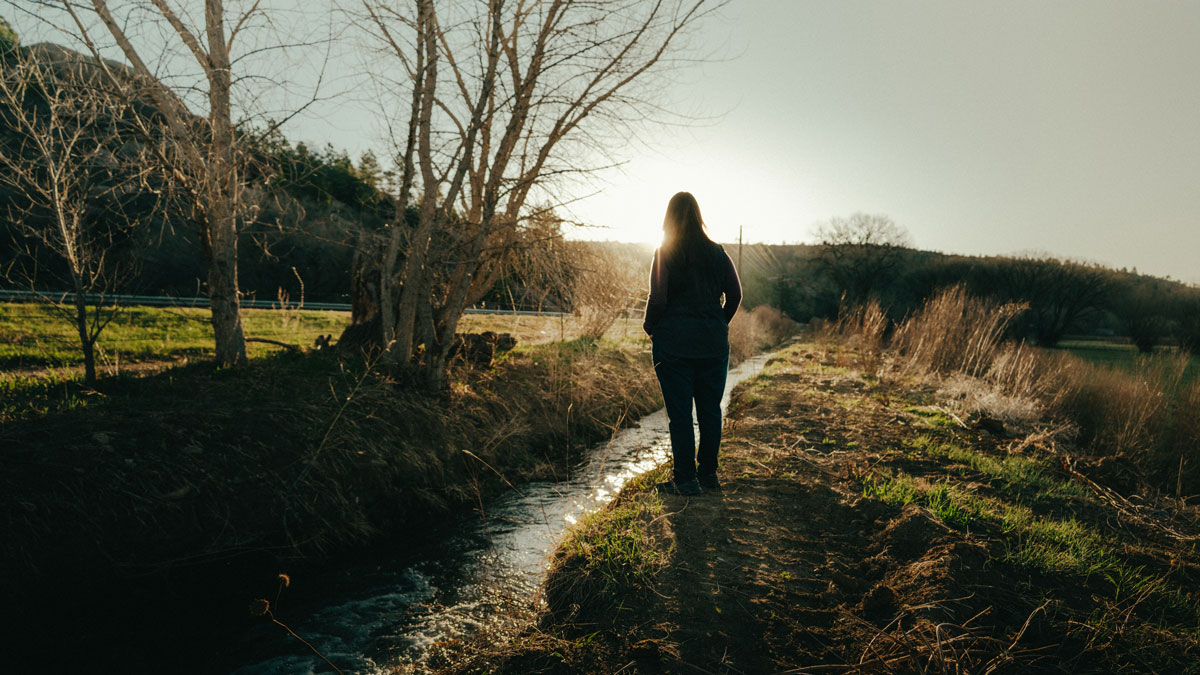
Natural disasters can devastate these historic waterways and imperil the livelihoods and long-held cultural traditions of their users.
Just after the fires, Garcia says at over 90 acequias, including one that flows through her property, were damaged as burn scar flooding washed ash, sediment, and fire debris downstream. It took three years for Garcia’s acequia to be repaired and the work is ongoing due to recurring flooding. “It takes tremendous resources to restore acequias after a disaster” says Garcia. It requires not just funding and labor, but also technical and legal support to navigate complex state and federal programs like FEMA.
Garcia says she’s hoping the state’s regional water planning process will help stakeholders statewide create resiliency before disaster strikes by identifying and planning for infrastructure needs, and by building a common set of data that everyone can utilize to protect acequia systems.
Despite the risks, Garcia says she’s hopeful about the future. Acequias have survived over the generations, through shifts in farming practices and technologies, through outmigration and intensifying climate change. Perhaps, she wonders, that’s because they’re about more than just water.