Making Tribal Water Rights Right
The history and urgency of Indian water rights settlements
May / 2026
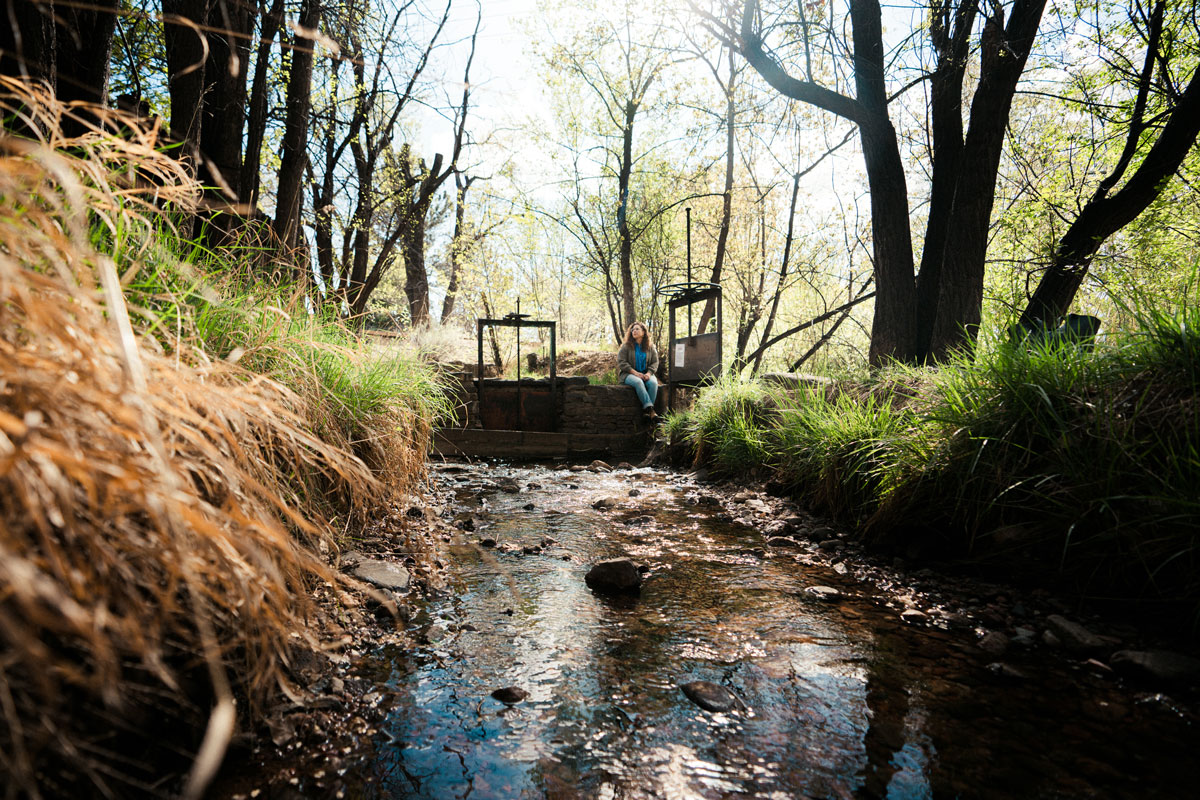
In a few years, a final pipe will be laid, a tap will open, and one of the longest-running court cases in the history of the United States will, at long last, come to a close.
It’s been 60 years since the start of State of New Mexico v. Aamodt, et al, an Indian water-rights adjudication case that legally quantified water rights — including the rights of acequia parciantes, well owners, Tribal entities, farmers, municipalities, and corporations — in northern New Mexico’s Pojoaque Valley. Decades of litigation, heated negotiations, sensitive cultural conversations, false starts, and, ultimately, progress, are culminating in resolution.
But for anyone familiar with Indian water rights settlements in the western United States, the Aamodt case is not unusual. It’s one of many critically important — albeit challenging and lengthy — legal proceedings that are helping Western states and their sovereign neighbors settle Tribal water rights and plan for a drier future, together.
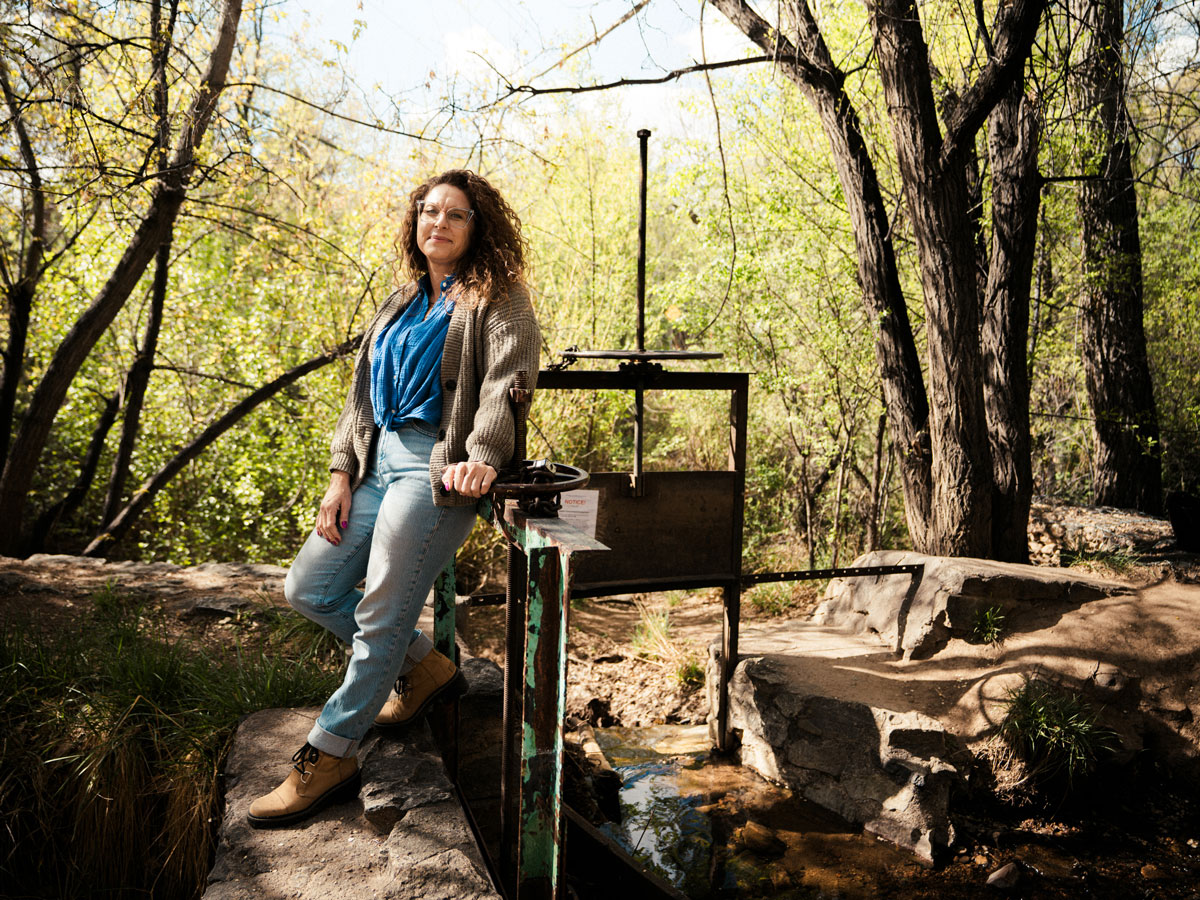
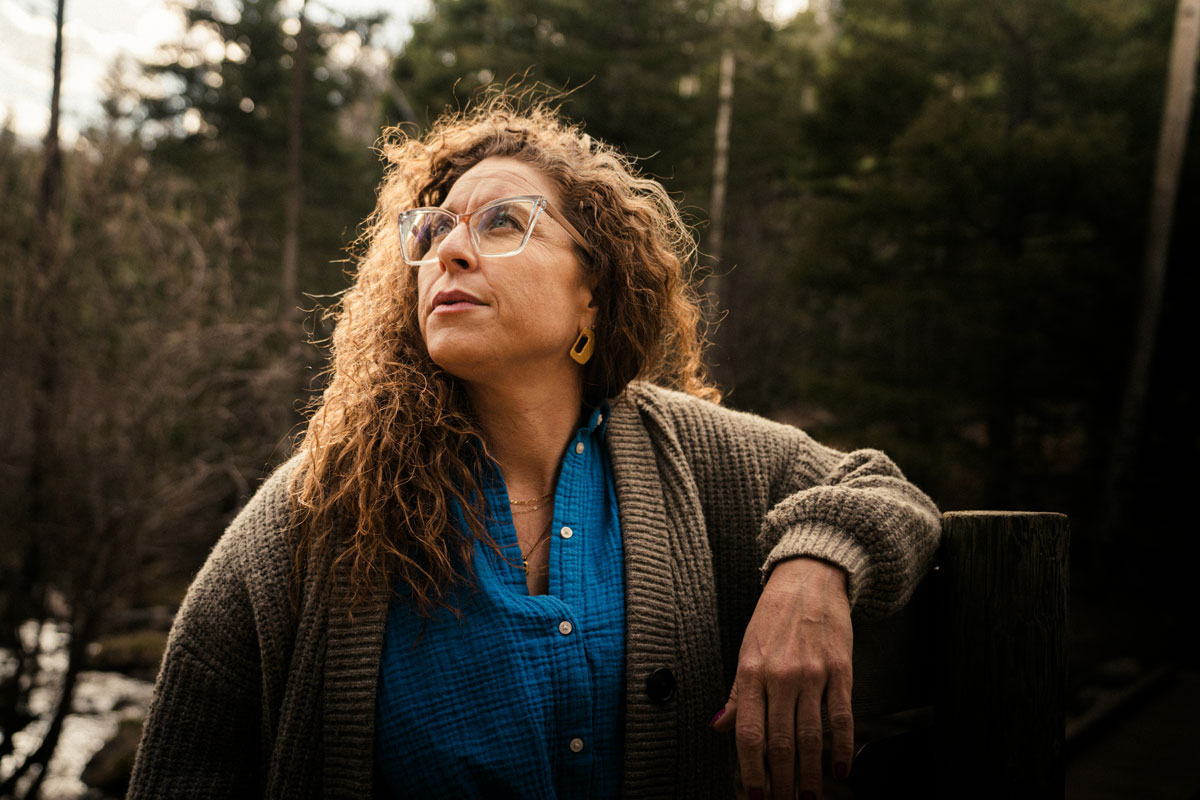
“These settlements are crucial,” said Nicole Greenspan, the lead attorney handling Indian water rights cases for the Office of the State Engineer. They allow us to get everybody to the table who’s involved in any water use in the system and make sure that we come up with a plan that works for Tribal and non-Tribal people. It protects everybody.”
‘The first stewards of the river’
Many of these cases, including Aamodt, date to the 1960’s and ’70s, but understanding them requires a bit of background in the (fascinating and complex) history of Western water law.
Beginning in the mid-19th century, U.S. courts established the legal principle of prior appropriation, or “first in time, first in right.” The idea is simple: Whoever diverts water first and puts it to a “beneficial use,” like domestic consumption, crop irrigation, or gold mining, has the most senior right. Everyone else queues up from there. Today, prior appropriation governs water-rights disputes throughout the arid West.
And in New Mexico, there’s no question who’s at the front of the line.
Native American Tribes have inhabited New Mexico for far longer than anyone else. The ancestors of today’s Puebloans diverted water from the Rio Grande to nurture their crops and sustain their families. In legal terms, the priority of Pueblo water rights based on this first-in-time use is referred to as “time immemorial.”
“They are the first stewards of the river,” Greenspan said.
‘Can we just finish this before I die?’
But in the absence of an adjudication, it’s hard to know exactly how much water each Tribe has a right to, and from where. This makes administration of water rights by priority extremely challenging and creates uncertainty for more junior users, like acequias, municipalities, domestic well owners, industry, and others. That’s where Indian water rights adjudications like Aamodt come in.
Since the early 20th century, New Mexico law has required the Office of the State Engineer to adjudicate every water basin and stream system in the state. The process is complex and tedious, involving Tribal, state, and federal governments; negotiations with, in some cases, thousands of water rights holders; and often contentious cultural conversations.
Hence, the lengthy court cases.
And yet, in recent years, the Office of the State Engineer has made a flurry of progress in resolving Tribal water claims that had been pending for decades. Since 2022, five Tribal water rights settlements have been signed and await Congressional approval in Washington, D.C. That’s more than the four settlements that had been completed in the decades up to that point.
Greenspan said progress is, in part, thanks to stakeholders’ understanding that establishing clear boundaries for water use is of the utmost importance as we weather the worst drought on record and head into a future that promises to be even drier.
“It does get contentious, and there are cultural battles all the time,” Greenspan said. “These things are very layered and very difficult, but a lot of the water rights holders, at the end of the day, grew up together, you know? They went to school together, their families overlap, and they live within the same communities and share the same resources. And everybody's goal at the end of the day is the health of the river and the health of the system.”
And because it’s such a lengthy legal and political undertaking, most stakeholders are eager to bring these cases across the finish line.
What comes next
Contentious and prolonged though these cases may be, so far rightsholders have been able to reach accords in the vast majority of cases. For New Mexico’s Pueblos, Tribes, and Nations, in most cases, that has meant significant give-and-take.
As the senior rightsholders, they are relatively well-protected in times of drought (on paper, at least, if not always in practice). But in most settlements, the State of New Mexico has negotiated the waiver of Tribal entities’ right to a priority call. In other words, in the driest years, they have agreed not to assert seniority, which would deny junior rightsholders access to water. The goal is to share what we have, and the settlements reflect that value.
In exchange for this concession, state, local, and federal governments have agreed to funnel funds to Tribal and non-Tribal entities for the development of vital water-infrastructure projects — which brings us back to Aamodt.
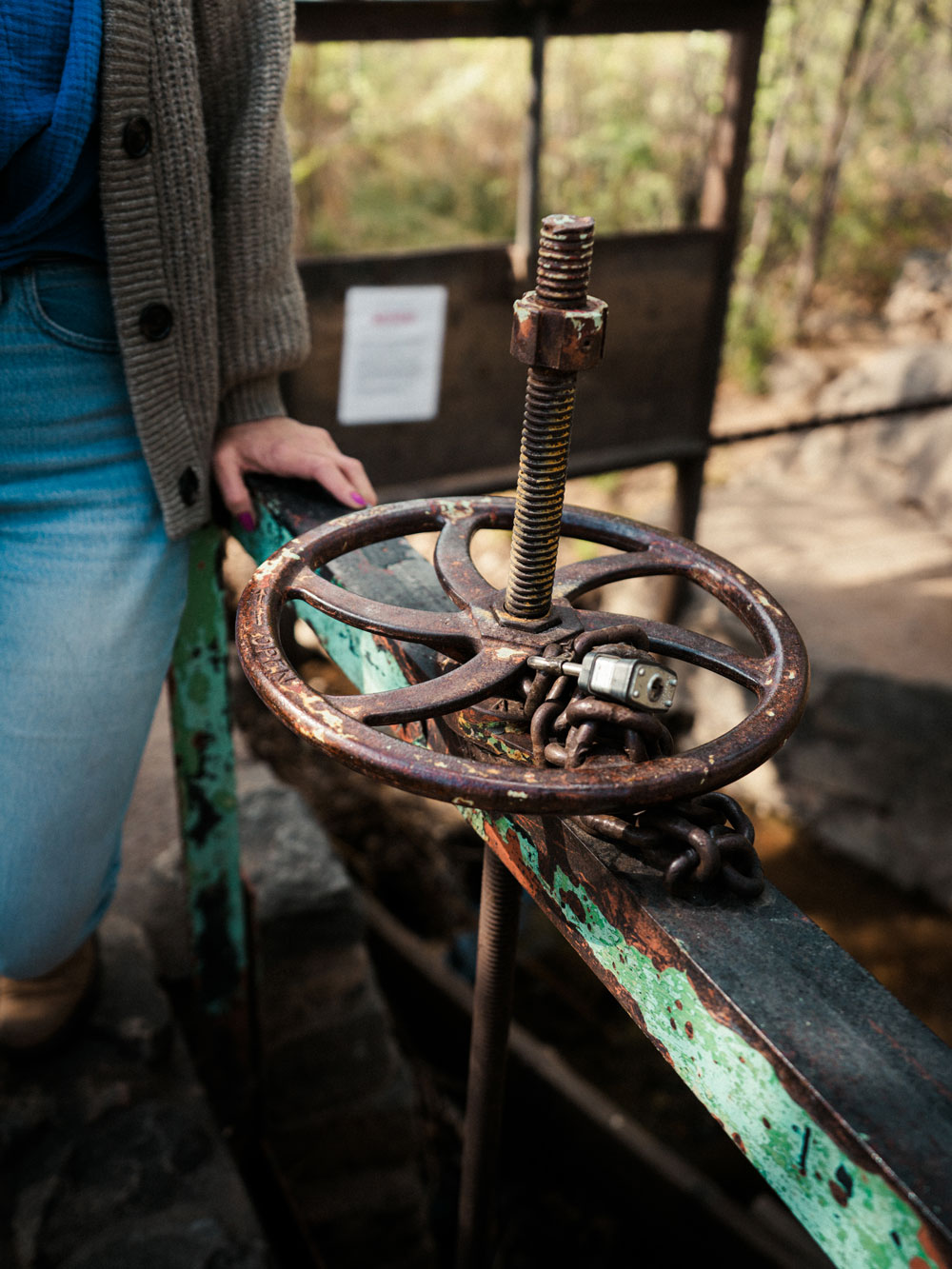
Congress approved the settlement in 2010, awarding the plaintiffs in the Pojoaque Valley case, including the Pueblos of Nambé, Tesuque, Pojoaque, and San Ildefonso, $250 million in infrastructure funds. With that money, they developed the Pojoaque Valley Regional Water System, a network of pipes and valves that brings in much-needed water from the Rio Grande and helps reduce the region’s reliance on groundwater. Implementing this system is the final step in the Aamodt case, and it’s set to be completed in 2029.
For Greenspan and her team at OSE, work on the remaining cases is likely to continue well into the next decade. Despite the state’s progress in adjudicating Tribal water rights, much remains to be done, including the adjudication of the middle Rio Grande basin, which comprises the Albuquerque metropolitan area and land belonging to six Pueblos.
Greenspan hopes the case can be completed in 10 years but acknowledges that would be “quick” in comparison, especially since no state in the country has yet to adjudicate the rights of six Tribal nations at the same time. Still, she knows her team has stakeholder sentiment on her side.