Farming Through The Worst Drought in 1,200 Years
Threading a Needle in the Mesilla Valley
Jun / 2026
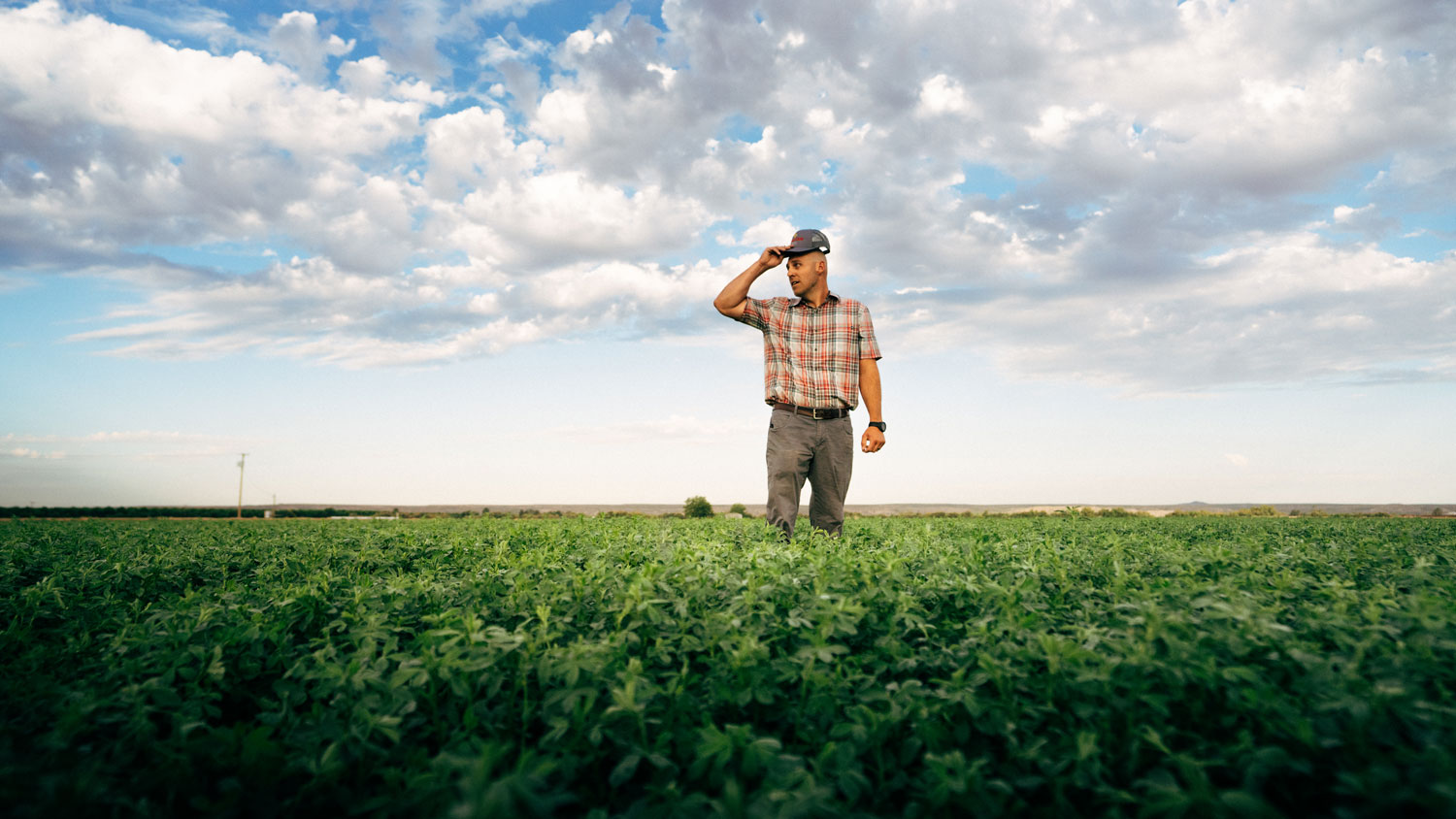
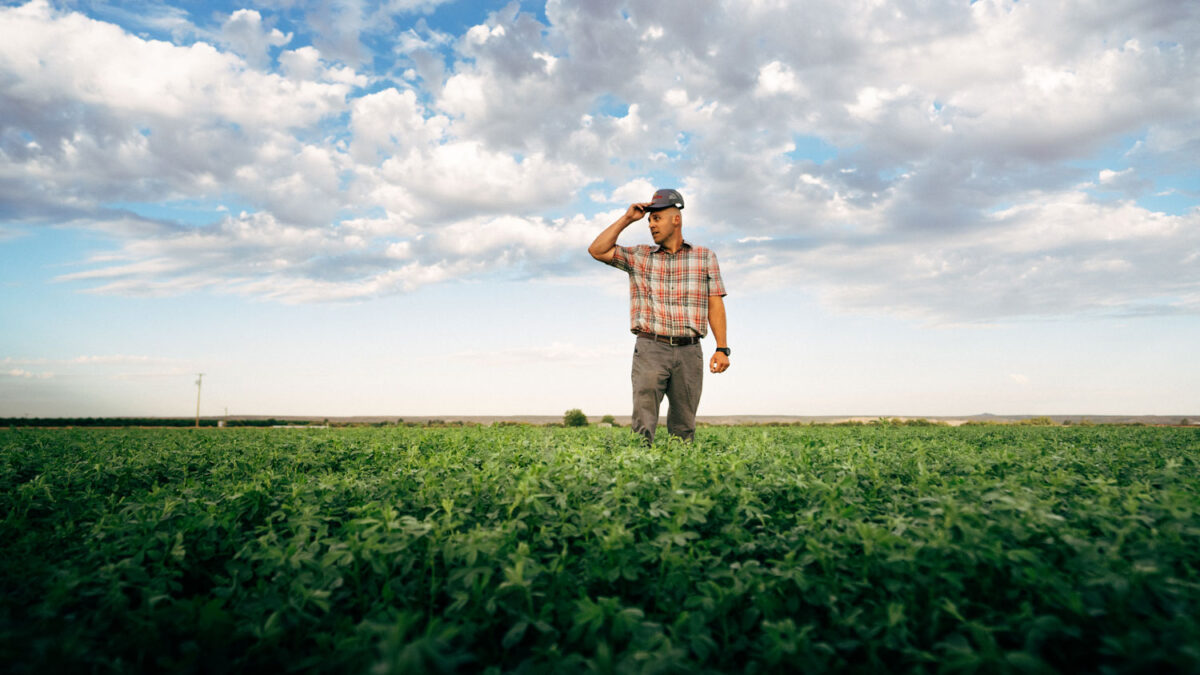
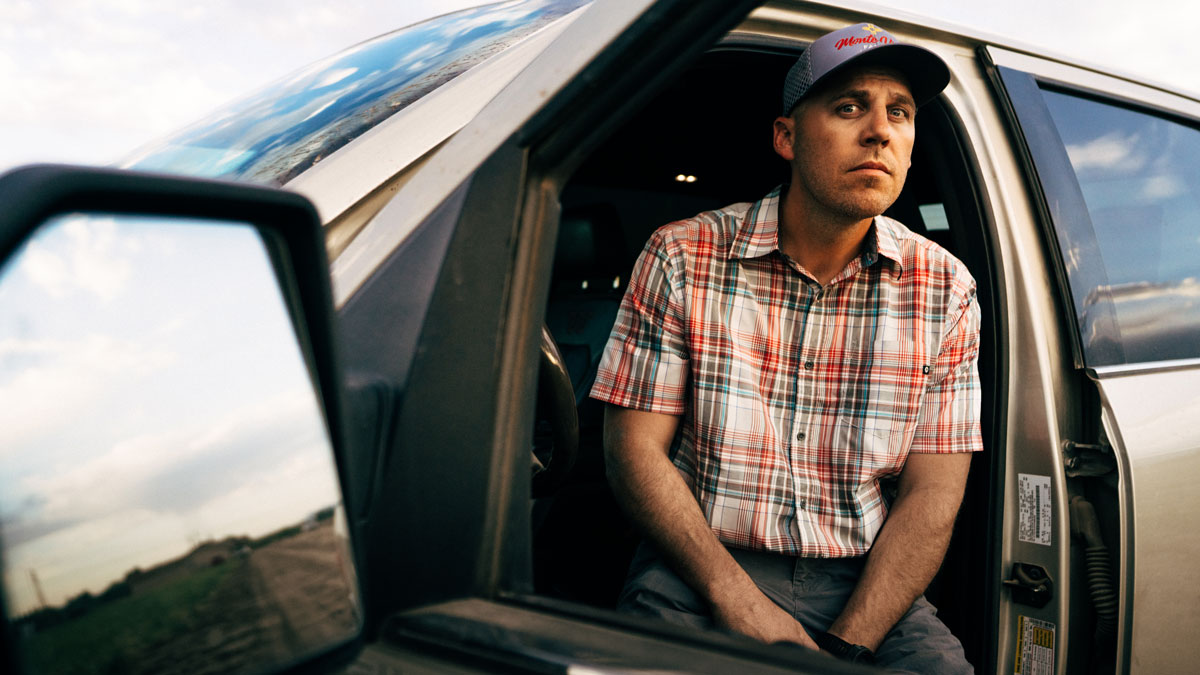
James Sloan has never farmed in anything but a drought.
For nearly the past quarter-century, he’s grown in the famously fertile ribbon of land known as the Mesilla Valley. It has been an exercise in patience.
But some of that waiting is standard for a farmer: Waiting for crops to grow. Waiting for the market to cycle upward again. Waiting for the harvest to bring in enough money to sustain the family for another year.
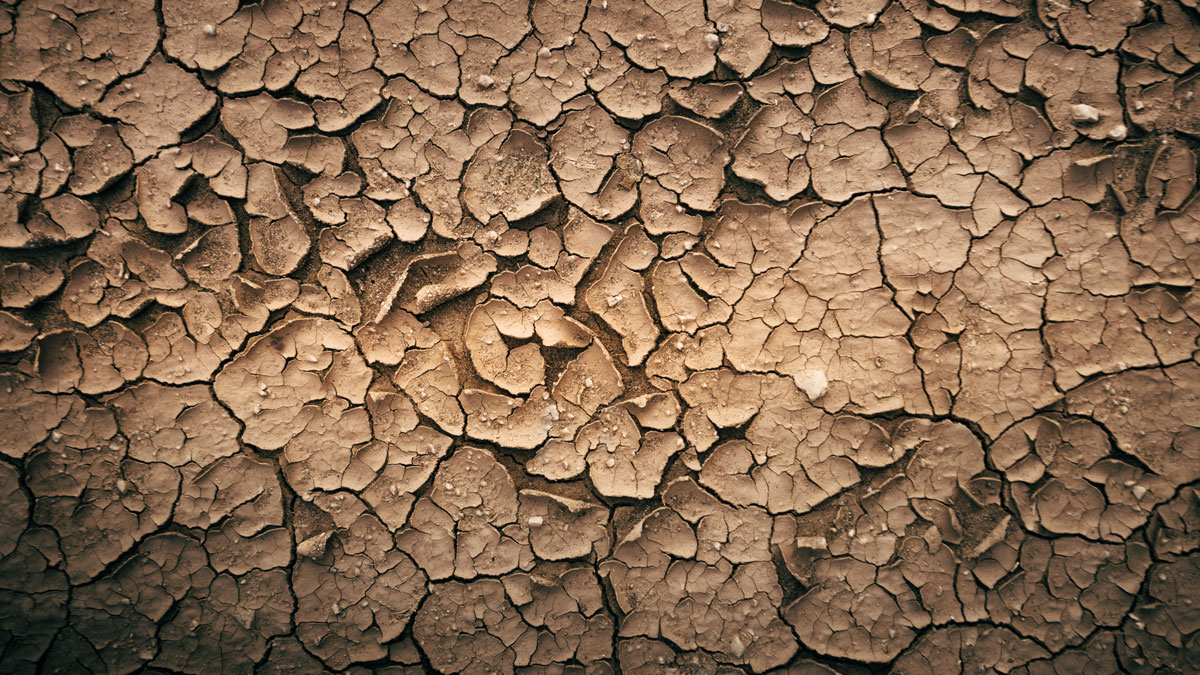
But some of it is unique to this valley, a checkerboard of hues of green in southern New Mexico that yields nearly one-quarter of the nation’s pecan and chile crops and is known far and wide for its mid-summer onions and alfalfa. That’s because, since the turn of the century, the already arid southwest has been weathering the worst drought in 1,200 years.
BETWEEN A ROCK AND A HARD PLACE
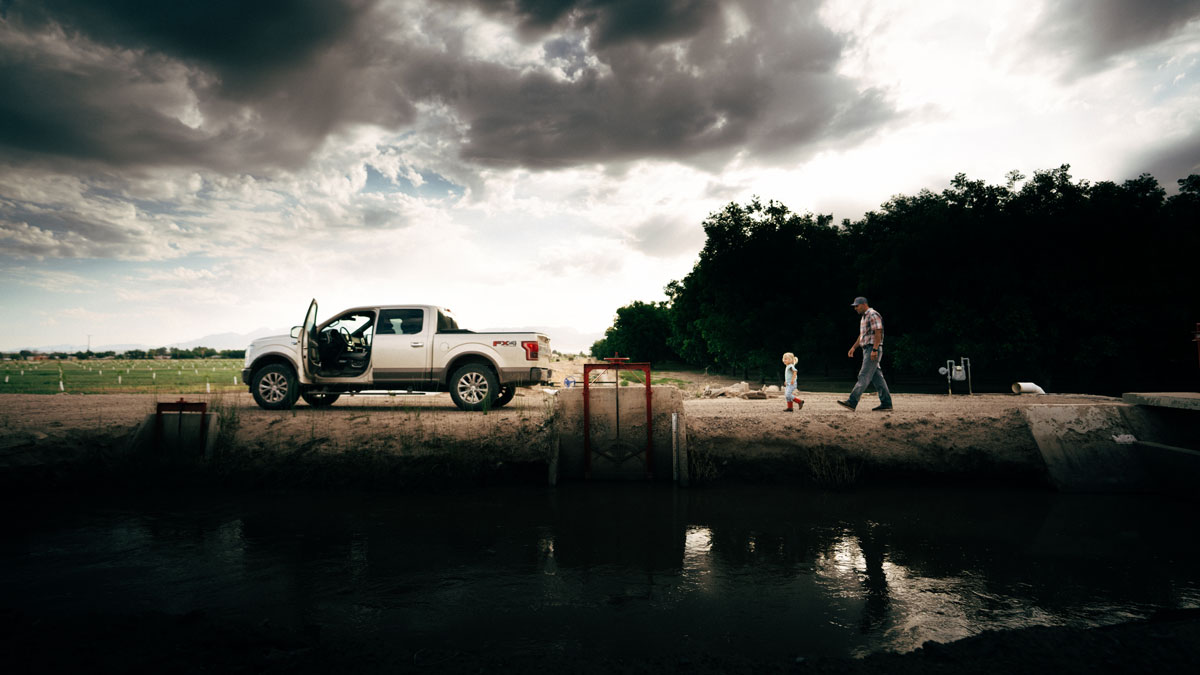
Drought conditions have come at a high cost, and Sloan and his neighbors have had to adapt, sometimes rapidly. Wells have to be dug deeper, and labor and energy costs are on the rise. “You've got to be a strategic farmer right now to survive because it's very expensive compared to even 20 years ago,” Sloan says.
With his family legacy of over 100 years and five generations in Mesilla Valley, Sloan is committed to keeping the farm operating, “you’re trying to do the best you can with your land and your water to try to keep going,” he says. “The last thing you want to do is do anything that’s gonna hurt that.”
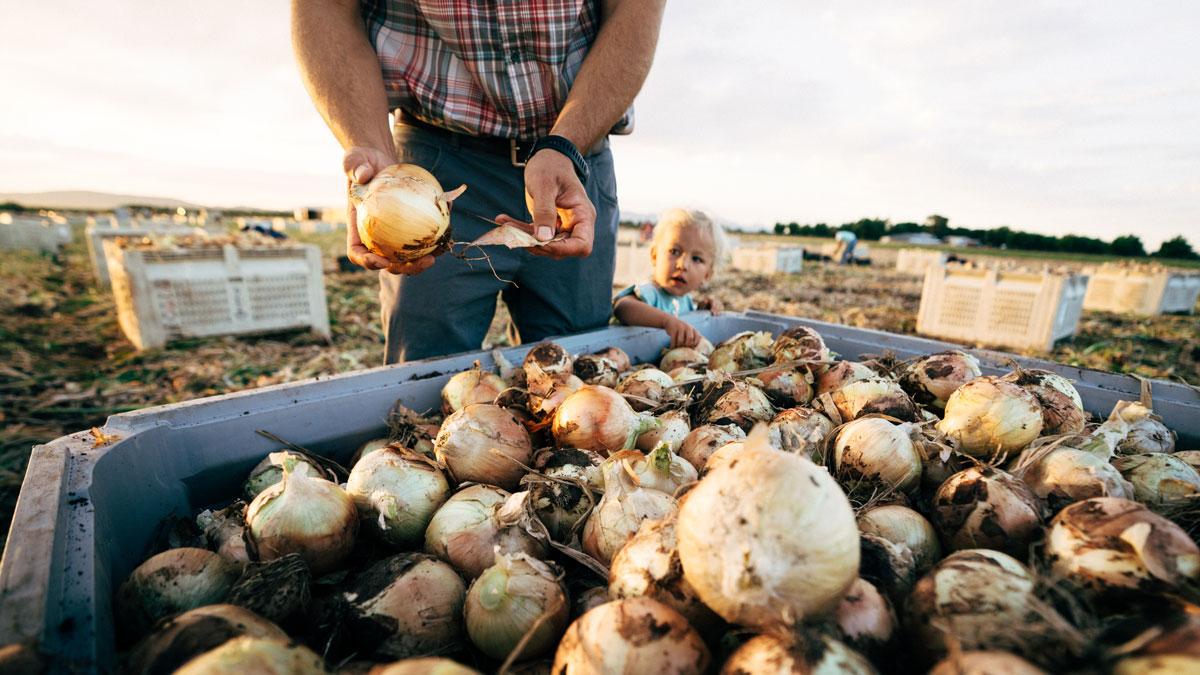
INVESTING IN AN AGRICULTURAL GEM
Despite steps forward, much remains to be done to ensure the Mesilla Valley retains its reputation as an agricultural gem without hollowing out the aquifers beneath it and driving itself out of business.
The region’s agricultural economy was built in more abundant times on crops that are known for being thirsty. With yet another year of Elephant Butte Reservoir at critical lows, Sloan and other farmers in the area are reckoning with tough choices. Thirsty crops that rely on groundwater are unsustainable under these conditions, but switching to different, more doubt tolerant crops is “a really big gamble,” as Sloan puts it.
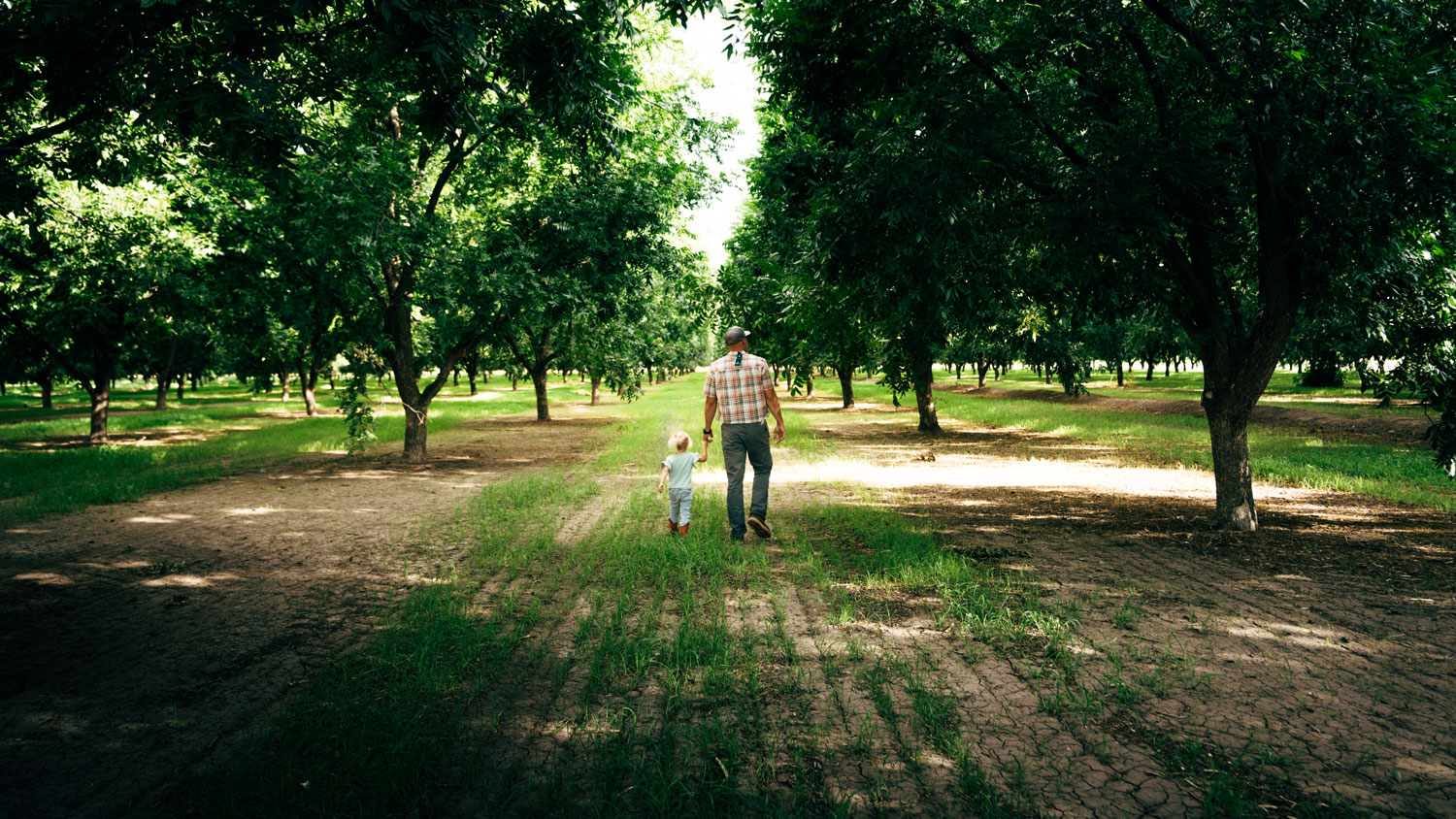
Conservation solutions that research supports, like switching from pecans to water-wise pistachios, could provide a window of opportunity, maintaining livelihoods and saving water, but it takes threading a needle: farmers, the market, and processing facilities would have to line up to keep farms like Sloan’s from going under betting on a water-wise crop. Like pecan trees, pistachios grow for years before fruiting. When the nuts are harvested, they need to be hulled and dried within hours to avoid rot during transportation. There is currently no facility in New Mexico to process pistachios at scale. “I can’t grow a crop because it takes no water and then go broke,” Sloan says. “That doesn’t make any sense.”
With the recent Texas v. New Mexico and Colorado settlement the region will begin shifting from the Groundwater Conservation Program to permanently retiring groundwater rights through a paid willing seller program. Over the next 10 years, roughly 6% of the current groundwater pumping will be permanently retired in the Lower Rio Grande through a new Water Rights Purchase Program (WRPP) run by the Interstate Stream Commission. Permanent retirement takes water out of the system for good, giving the aquifer a chance to stabilize rather than simply recover ground between dry spells. It is a structural step in the right direction, but one piece of a much larger puzzle. It’s also one that farmers will, again, have to weigh.
For Sloan, uncertainty means there are no readymade solutions. "That's the scary part about the water: a lot of it is unknown. I don't think anybody really has a great answer,” he says. “Right now, we're basically just trying to keep our infrastructure in the best shape it's in and adapt to the changes as they come."