Compacts Benefit and Bind Us
Balancing Interstate Water Obligations in Times of Drought
May / 2026
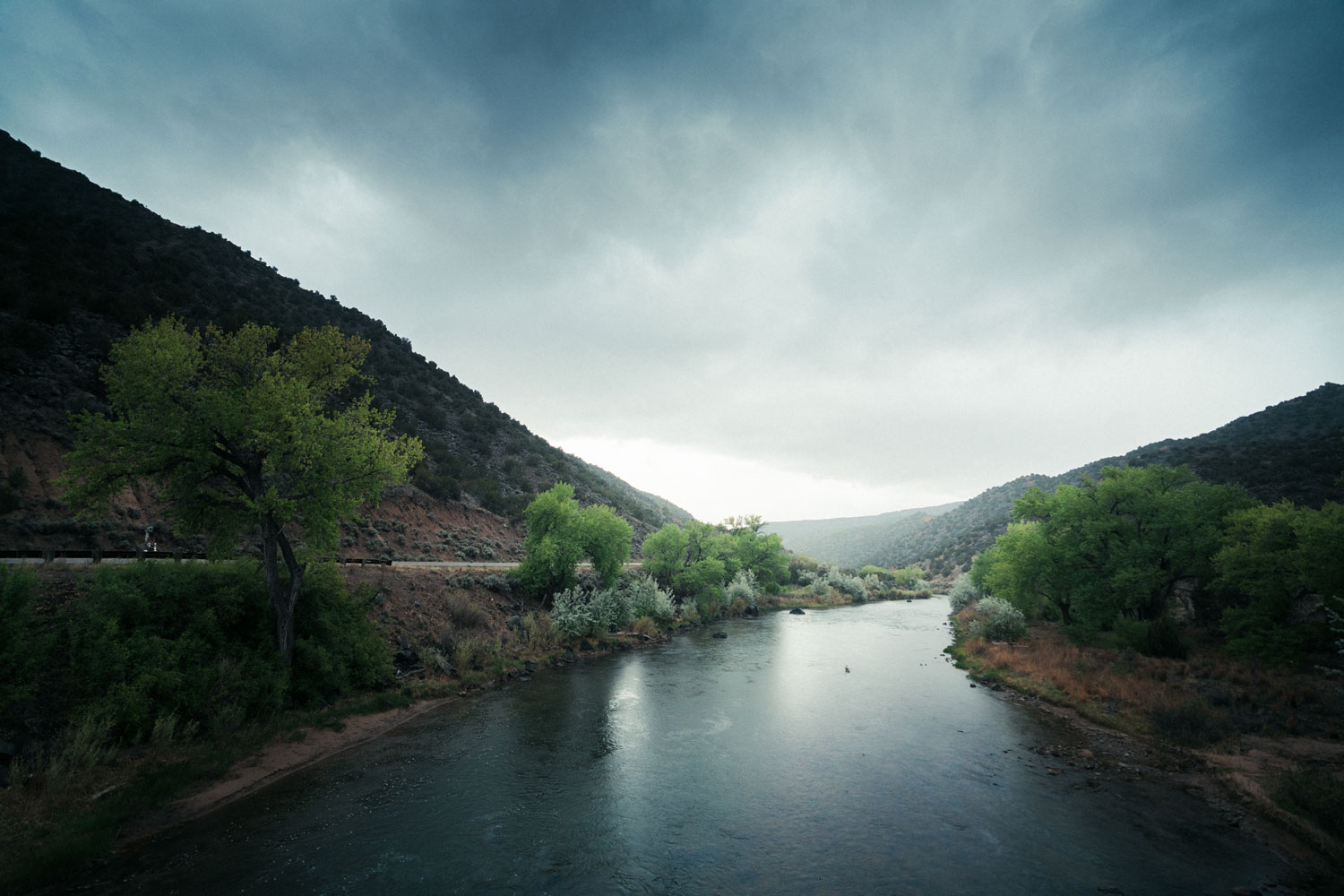
Before 1878, when the Denver & Rio Grande Railroad started steaming its way through southwest Colorado’s San Luis Valley, sagebrush and stands of native grasses dotted the landscape. Native Peoples and Spanish settlers used hand-dug diversion ditches to reroute just enough stream water to grow their crops.
Then came the train — and the ambitious settlers who arrived along with it. Within 15 years, the landscape had transformed. Fields flushed green with water diverted from the mighty Rio Grande through much larger engineered canals. By 1892, 400,000 acres in Colorado’s San Luis Valley were under irrigation, consuming two-thirds of the Rio Grande’s flow into the valley. One policymaker called it “bonanza farming.”
The unfettered growth eventually left downstream irrigators in New Mexico in dire straits, struggling to grow their crops with sedimented water and unpredictable river flows — signs of a water system in crisis.
In the arid Wild West, growth in one valley could mean devastation in the next. It wasn’t until the 20th century — with the advent of interstate water compacts and other policies governing this scarce resource — that these latest settlers of the high desert started to share what they had.
Despite the lessons of yesteryear, we are still onboarding this wisdom.
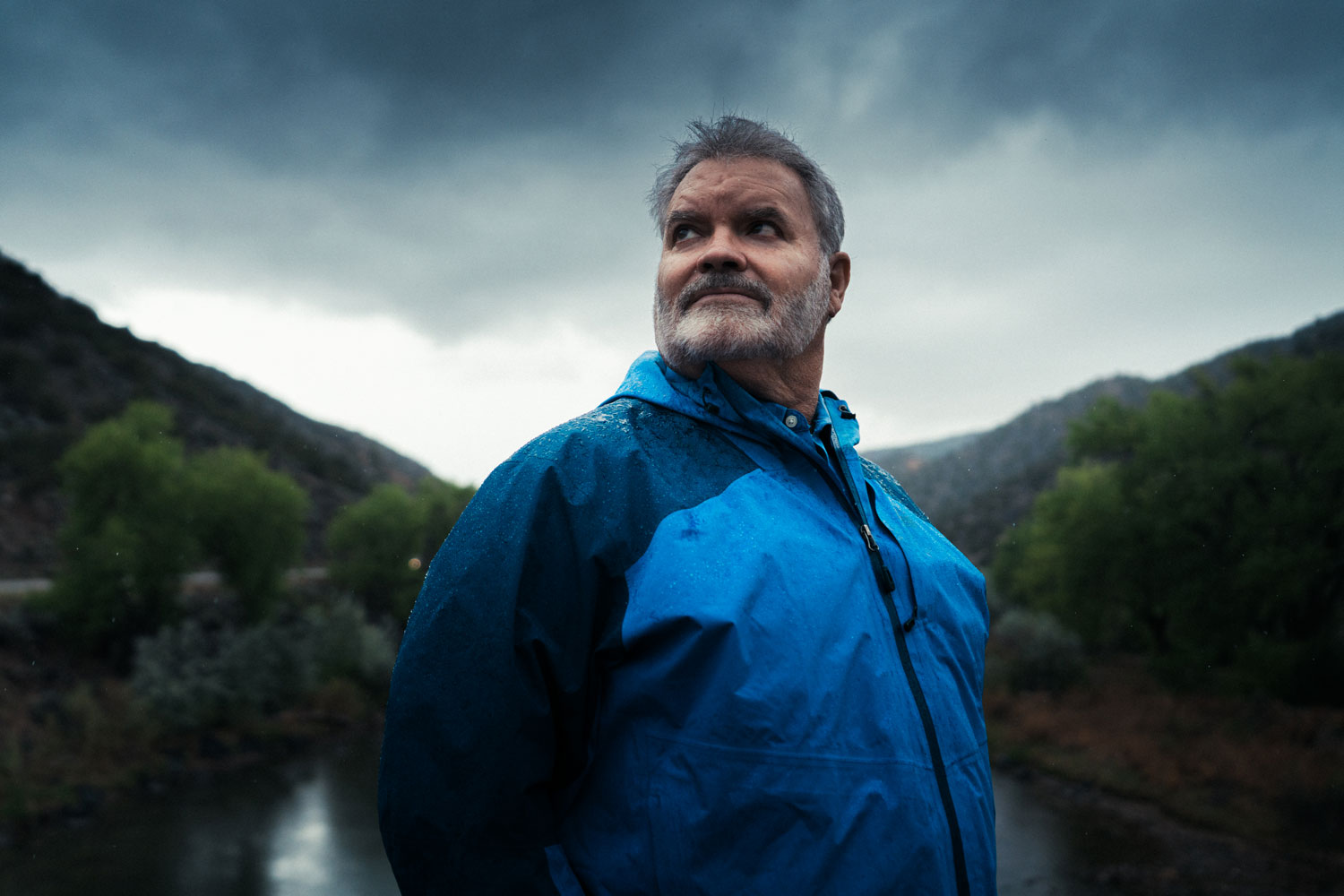
Rolf Schmidt-Petersen, New Mexico’s current commissioner for the Canadian River Compact and the former director of the Interstate Stream Commission, built his career on helping New Mexico and its neighbors find a balance through its interstate compacts. And yet, he says, one of the most frequently asked questions he hears from farmers, lawmakers, and even water professionals is why a state would agree to limit its own water use in order to share with downstream states.
“People say, ‘Why would you ever do that?’” Schmidt-Petersen says. “But compacts provide both constraints and opportunities. By spreading the water out, you’re able to maintain your values and your local economy all the way down through the system, as opposed to saying one state’s going to take it all and the rest gets nothing.”

‘Eight different ways to play’
All interstate compacts both benefit and bind us, but for the most part, the similarities end there. New Mexico is party to eight different interstate agreements, and Schmidt-Petersen says they’re so different that it’s like “coming up with golf rules, but you've decided to have eight different ways to play.”
The Canadian River Compact in northeastern New Mexico, for example, is a comparatively simple system in which New Mexico stores a certain amount of water in Ute Reservoir and sends the rest downriver toward Texas. The Rio Grande Compact, on the other hand, requires upstream states to make deliveries to their neighbors based on gauge readings at specific points along the river. A system of debits and credits helps balance out deliveries in the aftermath of a wet or dry year. A separate treaty with Mexico dictates how much Rio Grande water belongs to our neighbors south of the border.
But lately, amid what scientists describe as the driest period in the American West in over 1,000 years, upstream states can struggle to meet downstream obligations. Tensions rise, and it’s harder for everyone to share this precious resource. (In Texas v. New Mexico, the U.S. Supreme Court is considering a proposed resolution to a related case that concerns the impact on surface water of New Mexico’s pumping of groundwater.)
Shared values and compromise
Even so, Schmidt-Petersen sees compacts as the best way for states to protect their water interests. Without them, resolutions to disputes could be out of our hands.
“If New Mexico didn't have these interstate stream compacts, in all likelihood we would have either Congress or court decrees from the U.S. Supreme Court telling us what we can use and how much,” he says. “And it may not be within our control. Being in compliance gives us options to do the things that we would like to do.”
When New Mexico’s regional planners begin the important work of prioritizing projects for their region, they’ll first have to consider our obligations to other states. Schmidt-Petersen’s advice? Start with values — and expect to compromise.
“Because of the long-term drought, nobody has all the water they want for most of the things they want to do. Water users are struggling with a lack of water in all parts of the basins,” he says. “You’re going to have to say, as a region, if we want to develop something new, how are we going to work together to reduce our use somewhere else?”
It may be hard to hear, but Schmidt-Petersen says it’s that spirit of collaboration and compromise — begun (at least in modern times) all those years ago on the rivers of the West — that will help us continue life in an increasingly aridified landscape.