
‘Reach by Reach’
Maintaining the Careful Balance of Water and Sediment in New Mexico’s Rivers
Oct / 2026

Like nearly everything else in nature, rivers are a lesson in balance.
Take, for example, the delicate dance of water and sediment.
In a healthy river, flows carry away fine grains of sand, silt, and gravel, keeping the channel deep enough for water to flow through. Some of that sediment eventually settles on the streambed, building vital habitat for the plants and animals that call the river home. Occasional floods move it onto floodplains, creating habitat for riparian plants and helping water soak into the aquifers below.
So what happens when forest fires, intense droughts, frequent flash floods, and other impacts of climate change disrupt this equilibrium?
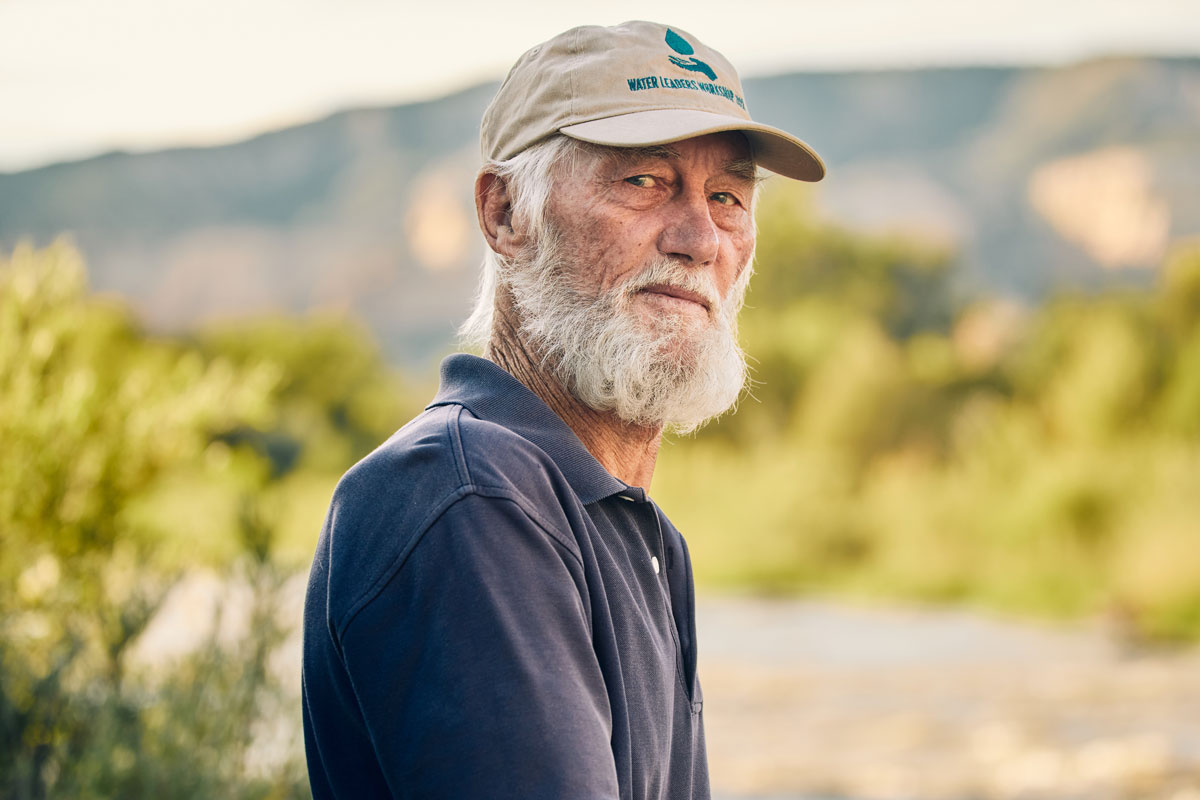
Mike Harvey is a river geomorphologist who has spent nearly 50 years studying the rivers of the Southwest. When it comes to water and sediment, he says, climate change is a “double whammy.” Increased aridification is projected to reduce river flows by about 25% over the next 50 years, while forest fires, intense rain events, and reductions in watershed vegetation will likely put 2-3 times more sediment into our rivers.

The water-sediment feedback loop
Why does this imbalance matter? And what can we do about it?
You can think of it as a vicious cycle. Less water means less power in the river system to carry sediment away. More sediment buildup means reduced capacity to store water in our reservoirs and shallower riverbeds that are more prone to blockages and flooding. Increased sedimentation can also degrade wildlife habitats and riparian environments. In short, less water begets more sediment, and more sediment can disrupt the natural function of the river while harming the people, plants, and animals who rely on it.
That’s “not a good look,” Harvey says, especially at a time when New Mexicans need reliable water not only for ourselves but to meet obligations to our downstream neighbors.
Harvey points to the turn of the 20th Century as an example. During that time, overgrazing and excessive deforestation upstream led to increased erosion. (Plants’ roots help keep sediment in place.) Sediment built up in the Rio Grande, and repeated floods devastated farmers' fields.
In our era of climate change, we’re already seeing the impact of this imbalance. Sediment in some river tributaries has made channels smaller and increased flooding.
But the effects are especially evident when it comes to wildfires and our drinking-water supply. The Hermit’s Peak/Calf Canyon wildfire of 2022 devastated the watershed above Las Vegas, N.M., and when the rains came, sediment and ash poured into Gallinas Creek, forcing the shutdown of the nearby water treatment facility. The water was too filled with sediment to treat and use.
Partners, not puppeteers
When Harvey began his career in the 1970s, Western society’s relationship with nature looked different than it does now.
“We used to drain swamps,” he says. “I put my hands up. We did that. Drain them, and we produced new farmlands. And we built levees to stop floods because, you know, floods were bad.”
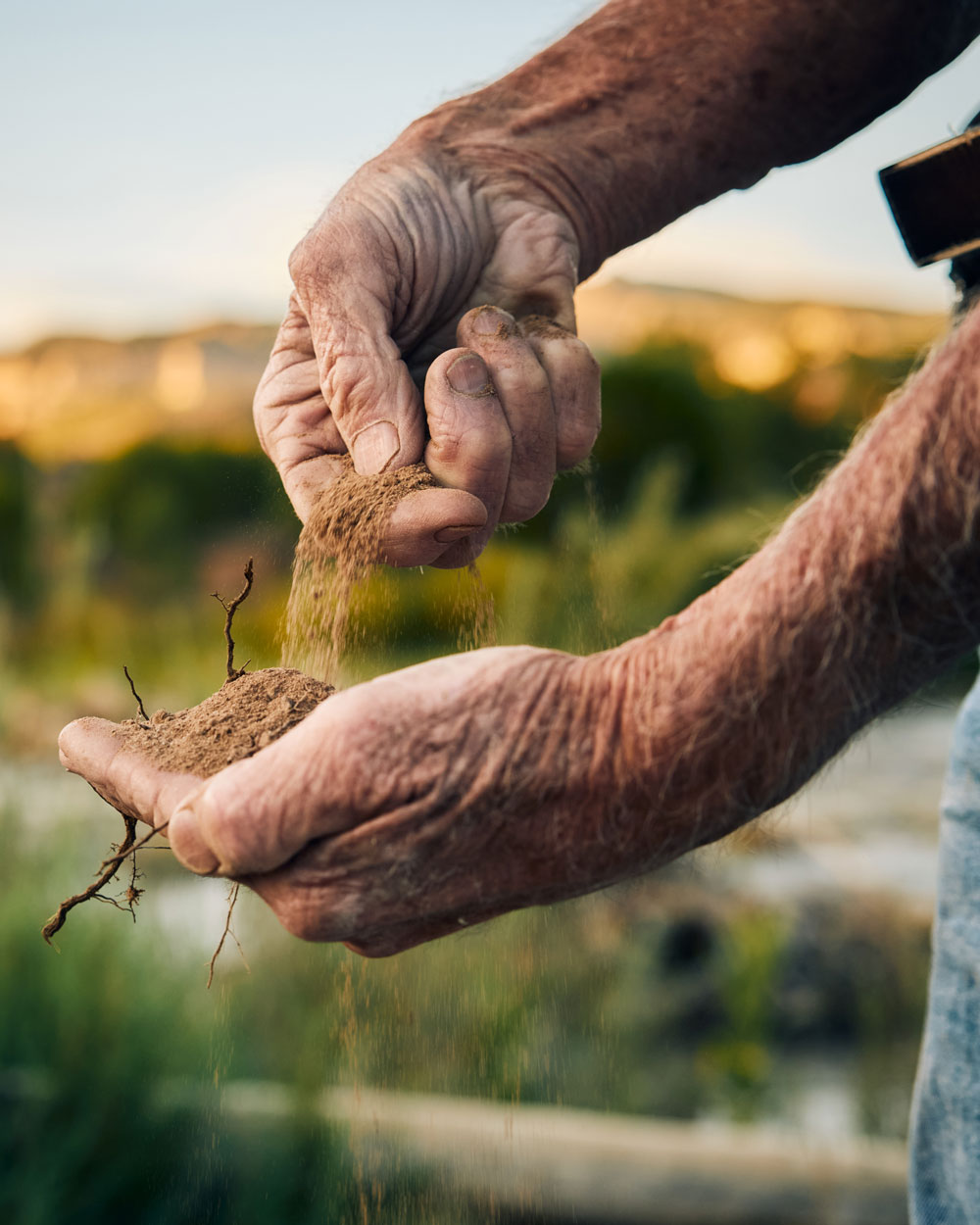
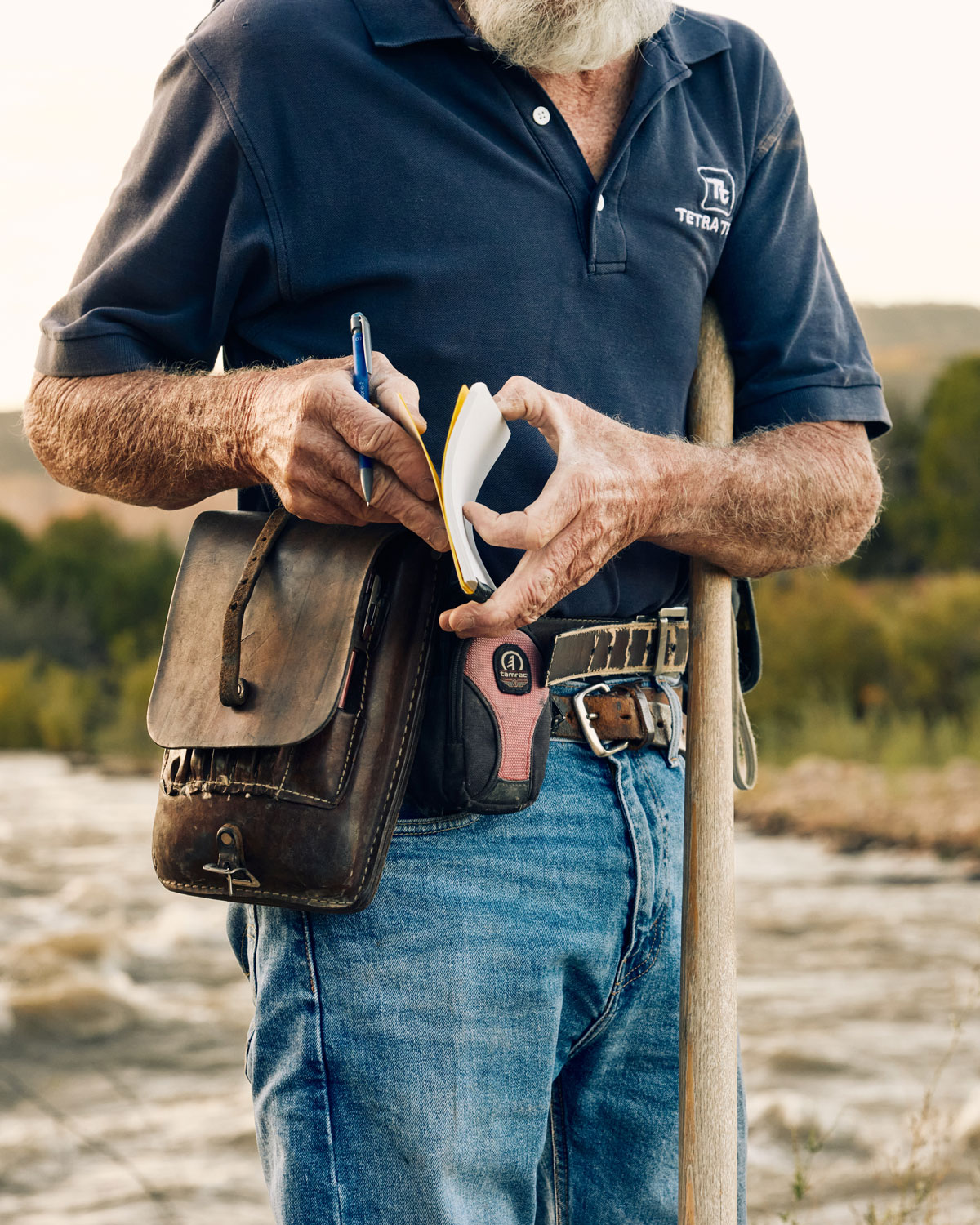

Today’s engineers, Harvey included, know better. The environmental and financial costs of trying to control the natural world are too great. It’s better to be nature’s partner than its puppeteer.
If we apply that ethos to river flows and sediment, he says, we’re left with a series of potential solutions — there’s no one-size-fits-all fix. Here are some possible strategies:
- Watershed management: Healthy watersheds are less prone to large-scale fires and more capable of holding sediment in place, so managing them well benefits everyone downstream. This means prioritizing small prescribed burns, reforesting after large fires, and clearing away overgrowth where possible.
- Block releases: This strategy has proved effective along the Pecos River in southeastern New Mexico. A small, steady stream of water is always flowing downstream from Lake Sumner, south of Santa Rosa, for environmental purposes. But then, a few times a year, engineers release “block flows.” These powerful pulses of water “have maintained the capacity of the Pecos River and its ability to convey sediment for the last 25 years,” Harvey says. This solution could work especially well on the Chama River between Abiquiu and the Rio Grande, where excess sediment often prevents the river’s ability to convey flows downstream.
- Dredging: Though it falls into the puppeteering category, dredging will remain a necessity on some previously engineered stretches of New Mexico’s rivers. Take the Lower Rio Grande: Sections of the river were “channelized” in the mid-20th Century. Engineers straightened, narrowed, and deepened the river, and built levees to prevent flooding. When sediment builds up in this stretch of the river, it needs to be removed.
- Future-proofing the system: Much of our current system was built with more water in mind. So, part of the solution must be to future-proof our infrastructure for a drier tomorrow. Harvey says he’s relatively optimistic we can solve this problem — the tools are already there. The harder part, he says, is finding the political will to enable and authorize those solutions. Changing flows, allowing storage at different points along the way, building and updating infrastructure, managing water-sharing agreements — all of these things require attention, flexibility, and foresight from our leaders.
Ultimately, each region will have to come up with its own unique solutions.
“We can’t just look at this as an integrated system,” Harvey says. “We’ve fragmented it too much. We have to look at it reach by reach and ask, what do we need to achieve here? How can we get the amount of water we need from A to B through this region? What tools do we have? What levers can we pull to make sure that happens?”
